Corruption trials, urban crime pressures, and infrastructure failures dominate South African headlines as African conflicts deepen and the escalating Middle East war drives global energy volatility in The Profiler Midday Brief for March 9, 2026.
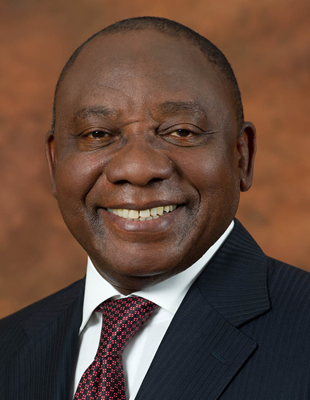
Urban Infrastructure Failures Renew Governance Scrutiny Johannesburg’s infrastructure challenges resurfaced over the weekend as residents reported power outages, water disruptions, and service failures, intensifying criticism of municipal management. Public commentary across local broadcasts and social platforms linked the deterioration to years of administrative instability and alleged corruption within city governance. The renewed focus coincides with President Cyril Ramaphosa’s recent State of the Nation Address commitments on economic reform and load-shedding relief, placing renewed pressure on national and local authorities to demonstrate tangible delivery. Johannesburg’s status as the country’s economic hub means persistent infrastructure failures carry direct implications for business continuity, municipal revenue, and investor confidence, particularly in a politically sensitive post-election environment where service delivery performance often shapes electoral volatility.
Magashule Corruption Trial Returns to Court Docket Former ANC Secretary-General Ace Magashule and businessman Edwin Sodi again appeared before the Free State High Court in the long-running R255 million asbestos housing corruption case. Both men continue to deny more than 70 counts of fraud, corruption, and money laundering related to a provincial tender intended for asbestos roof removal projects. The case stems from investigations highlighted during the Zondo Commission into state capture and remains one of the most prominent corruption prosecutions involving senior political figures. Its progress is closely watched by investors and civil-society groups alike, as the outcome will help determine whether South Africa’s post-state-capture accountability institutions can deliver credible consequences for political corruption.
Westbury Shooting and Airport Drug Bust Highlight Crime Pressures A mass shooting in Westbury, Johannesburg, over the weekend reignited concerns over entrenched gang violence in the area, which authorities have long linked to organised drug trafficking networks. Acting Police Minister Firoz Cachalia had been expected to visit affected families before the trip was reportedly postponed due to logistical constraints. Separately, authorities at OR Tambo International Airport intercepted narcotics valued at roughly R2.8 million during a trafficking operation. The incidents underscore how local gang economies intersect with international drug routes, reinforcing public anxiety over safety and complicating efforts to restore trust in policing capacity in urban communities already grappling with socioeconomic pressure.
Eastern DRC Fighting Raises Risk of Regional Escalation Fighting intensified in eastern Democratic Republic of Congo over the weekend as reports emerged of ceasefire violations involving M23 rebel forces and Congolese government troops. Western governments and regional monitors expressed concern that the conflict could widen, particularly amid accusations that Rwanda supports the rebel movement—an allegation Kigali has consistently denied. The fighting occurs in a region rich in cobalt, coltan, and other strategic minerals central to global technology and battery supply chains, meaning prolonged instability threatens both regional security and the reliability of key industrial inputs.
South Sudan Displacement Reflects Persistent Internal Fragmentation Thousands of civilians reportedly fled the town of Akobo in South Sudan after government forces ordered evacuations amid rising tensions with local armed groups. The displacement illustrates how fragile the country’s post-civil war peace arrangements remain, with political rivalries and militia activity continuing to disrupt stability. In a country already struggling with severe food insecurity and climate-related flooding, additional displacement strains humanitarian capacity and risks triggering wider regional migration pressures across East Africa.
Youth Protest Movements Build Political Pressure Across Several States Youth-led protests continued in parts of Tanzania and Madagascar over the weekend, reflecting a broader generational push for political accountability seen in multiple African countries. While the demonstrations remain locally focused, analysts note that Africa’s demographic structure—where young citizens form a majority of the population—means sustained protest movements can rapidly reshape national political agendas. As several countries approach election cycles, governments face increasing pressure to respond to demands around unemployment, governance transparency, and economic opportunity.
Iran Leadership Transition Intensifies Middle East War Dynamics Iranian state media confirmed a leadership transition following the reported death of Supreme Leader Ali Khamenei, with Mojtaba Khamenei emerging as a central authority figure during an escalating conflict involving Israel and the United States. The announcement came alongside continued air strikes and retaliatory actions across the region, including reported drone attacks targeting infrastructure in Gulf states. Leadership succession during an active conflict raises the probability of hardened military positions inside Tehran, narrowing diplomatic options while increasing the risk that regional actors become more directly drawn into the confrontation.
Washington War Powers Debate Exposes Strategic Divisions In Washington, lawmakers narrowly rejected a congressional effort to restrict the president’s authority to conduct military operations against Iran without further approval. The vote highlighted deep divisions within the United States political system over the scale and duration of military engagement in the Middle East. Extended involvement would carry significant fiscal costs and could reshape Washington’s global strategic posture at a moment when competition with China and Russia is already stretching military planning.
Energy Markets React to Escalating Gulf Tensions Oil markets responded quickly to the intensifying conflict, with prices rising as traders priced in potential supply disruptions through the Strait of Hormuz, a corridor responsible for a significant share of global petroleum shipments. Governments in several importing nations began contingency planning for fuel price volatility and supply uncertainty. Energy shocks originating in the Gulf typically ripple across global inflation, transport costs, and emerging-market fiscal stability, amplifying the economic consequences of regional military escalation.
South Africa’s governance pressures, Africa’s unresolved conflict zones, and the widening Middle East confrontation point to a geopolitical environment where political instability increasingly intersects with economic vulnerability and security competition.
We use cookies to support site functionality, analytics, and advertising. You can accept or manage your cookie preferences at any time. Learn more in our Privacy Policy.