











THE BRIEF | 18 February 2026 | 12:00 PM SAST
South Africa balances fiscal consolidation and infrastructure reform as Africa advances financial sovereignty and global markets navigate geopolitical fallout, digital sovereignty drives, and cautious monetary policy shifts.

SOUTH AFRICA | KEY DEVELOPMENTS


Economic Green Shoots Tempered by Fiscal Arithmetic
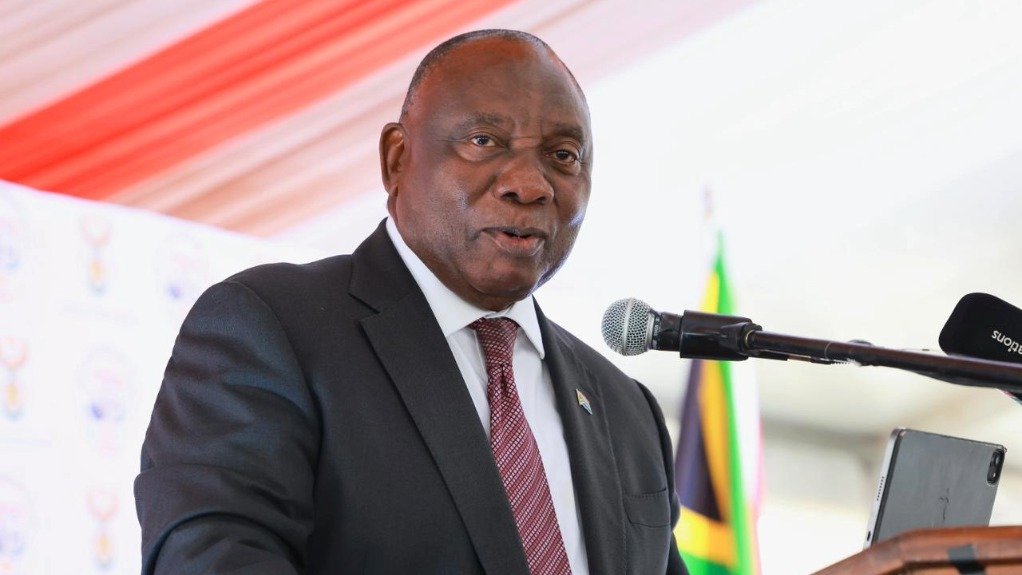
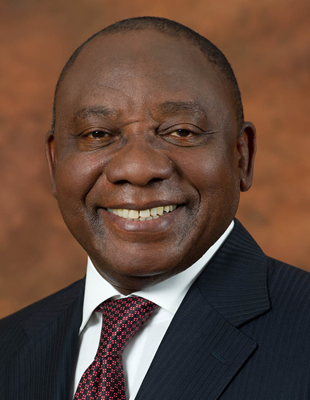
South Africa’s recovery narrative gathered cautious momentum overnight, with business leaders signalling improved sentiment while warning that fiscal arithmetic remains unforgiving. Ninety One CEO Hendrik du Toit noted the country has “stopped at the abyss,” but sustainable 2–3% growth depends on disciplined policy execution rather than rhetorical reform. President Cyril Ramaphosa’s recent State of the Nation Address pointed to progress including removal from the Financial Action Task Force grey list and incremental credit-rating stabilisation, yet the February 25 Budget Speech will test whether debt-service costs—now among the fastest-growing expenditure items—can be contained without stifling reform. With unemployment easing marginally to 31.4% in the final quarter of 2025 but regional disparities persisting, the macro picture reflects stabilisation without structural transformation, underscoring that market rallies alone cannot substitute for job-rich growth.
Broken by: Moneyweb – https://www.moneyweb.co.za | Statistics South Africa – https://www.statssa.gov.za | South African Government – https://www.gov.za
Water Governance Reform and Infrastructure Delivery Under Scrutiny
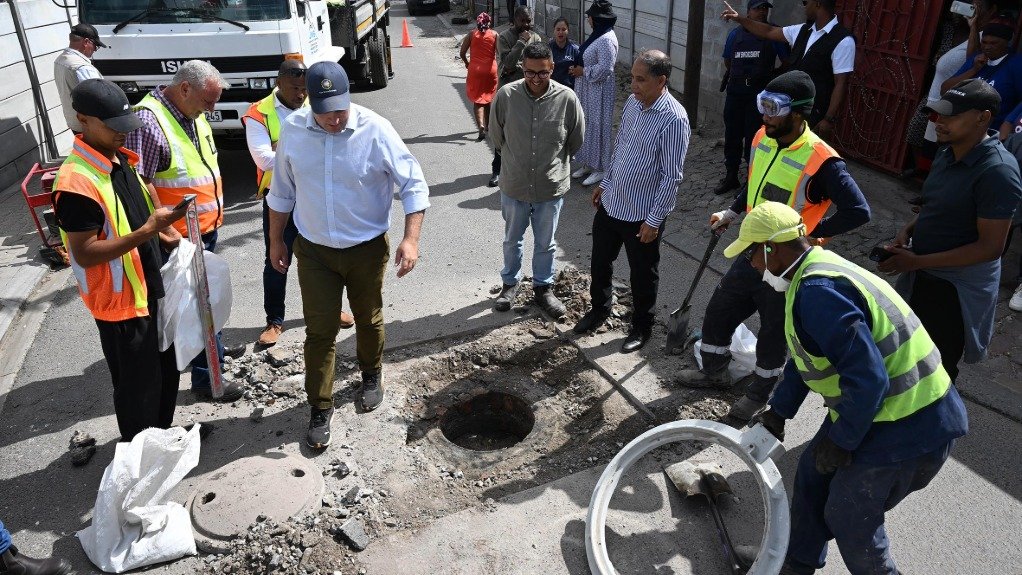
President Ramaphosa’s announcement of a National Water Crisis Committee, to be chaired by the presidency, signals centralised intervention in response to escalating municipal water failures. While investors welcomed reduced load-shedding enabling platinum sector reinvestment, infrastructure constraints—particularly in water and logistics—continue to cap productivity gains. Parliamentary debate on SONA entered its second day with opposition parties demanding measurable timelines, reinforcing that execution risk now outweighs policy signalling risk. The convergence of infrastructure reform and fiscal consolidation suggests that delivery capacity, not legislative ambition, will define 2026’s growth trajectory.
Broken by: Zawya – https://www.zawya.com | Parliament of South Africa – https://www.parliament.gov.za | Reuters – https://www.reuters.com
AFRICA | KEY DEVELOPMENTS
Financial Architecture Reform Signals Sovereignty Push
African leaders endorsed the New African Financial Architecture (NAFA), championed by the African Development Bank, aimed at mobilising domestic capital, curbing illicit flows, and reducing exposure to external debt volatility. South Africa’s unlocking of an $8 billion financing programme via Afreximbank membership reflects a strategic recalibration toward intra-continental capital formation. The initiative could strengthen fiscal resilience if implementation harmonises across jurisdictions; failure to coordinate, however, risks fragmentation and duplication. The reform momentum highlights Africa’s pivot from dependency narratives toward structured financial autonomy.
Broken by: African Development Bank – https://www.afdb.org | Afreximbank – https://www.afreximbank.com | Bloomberg – https://www.bloomberg.com
AU Urges Conflict Stabilisation Amid Trade Negotiations
At the African Union, President Ramaphosa pressed for urgent collective action in Sudan, South Sudan, and the Democratic Republic of Congo, warning that unresolved conflicts undermine continental growth prospects and strain humanitarian capacity. Concurrently, Kenya prepares to resume trade discussions with the United States amid tariff uncertainty affecting port throughput in Mombasa. The dual track—security stabilisation and trade diplomacy—illustrates Africa’s balancing act between crisis management and economic expansion, with conflict resolution remaining prerequisite to sustained investment inflows.
Broken by: African Union – https://au.int | Reuters – https://www.reuters.com
WORLD | KEY DEVELOPMENTS
Epstein Fallout Extends to Middle East Corporate Leadership
U.S. Department of Justice disclosures concerning Jeffrey Epstein’s historic financial networks prompted the resignation of DP World CEO Sultan Ahmed Bin Sulayem, intensifying scrutiny on governance standards within strategic logistics hubs. The episode introduces reputational risk to regional port operations at a time of heightened geopolitical sensitivity, reinforcing how compliance lapses can translate into trade disruption in globally integrated supply chains.
Broken by: U.S. Department of Justice – https://www.justice.gov | Reuters – https://www.reuters.com
Digital Sovereignty and Monetary Caution Shape Policy Landscape
European governments accelerated digital sovereignty initiatives amid strained transatlantic relations, reflecting concerns over technological dependence and tariff tensions. The Reserve Bank of New Zealand held its Official Cash Rate at 2.25%, citing easing inflation pressures and spare capacity, mirroring a broader global monetary pause. India’s partial easing of post-2020 restrictions on Chinese equipment imports signals pragmatic recalibration despite geopolitical friction, while Canada’s contract with Bavarian Nordic for mpox and smallpox vaccines reinforces pandemic preparedness amid shifting U.S. regulatory signals. These threads collectively indicate a global system prioritising risk containment over expansion.
Broken by: Reserve Bank of New Zealand – https://www.rbnz.govt.nz | Government of India – https://www.india.gov.in | Government of Canada – https://www.canada.ca | Reuters – https://www.reuters.com
U.S. Executive Oversight Expansion and Gaza Humanitarian Strain
President Donald Trump’s Executive Order 14215 expands presidential oversight over federal regulatory processes, potentially streamlining decision-making while intensifying debates over institutional independence. Meanwhile, humanitarian agencies report continued access constraints in Gaza, with UN Development Programme leadership calling for scaled entry to address infrastructure collapse and medical shortages. Governance centralisation and humanitarian bottlenecks illustrate a global environment where executive authority and crisis management increasingly intersect.
Broken by: White House – https://www.whitehouse.gov | United Nations Development Programme – https://www.undp.org | Associated Press – https://apnews.com
BOTTOM LINE
| Time horizon: | Last 18 hours |
| Signal strength: | Medium |
| Pattern: | Stabilisation without structural resolution—governments are centralising authority and tightening fiscal and regulatory controls, prioritising near-term containment over long-term reform, increasing medium-term volatility risk. |
What's Your Reaction?