












IN THE NEWS TODAY | 08 April 2026 | 18:00 PM SAST
South African markets surge as US–Iran ceasefire triggers oil price collapse, while domestic political scrutiny and global conflict risks keep volatility elevated

SOUTH AFRICA | KEY DEVELOPMENTS
Market Rebound Tracks Middle East Ceasefire Shock
South African markets reacted sharply to the sudden announcement of a two-week ceasefire between the United States and Iran, with the rand strengthening by more than 2% in early trade while bonds and equities rallied as risk appetite returned. The truce, tied to the reopening of the Strait of Hormuz, triggered a steep drop in global oil prices—down over 15% in some contracts—offering near-term relief to South Africa’s fuel cost trajectory after weeks of escalation-driven pressure. However, the rebound remains exposed to volatility as energy routes normalise slowly and geopolitical risk premiums persist, leaving domestic pricing and inflation expectations highly sensitive to further developments.
Sources: Reuters – https://www.reuters.com BBC – https://www.bbc.com


Accountability Pressure Builds Amid SUV Scandal Fallout
Political scrutiny intensified after ActionSA councillor Dereleen James laid criminal charges against Social Development Minister Sisi Tolashe over the alleged misuse of two donated SUVs, escalating what has become a focal point for governance and accountability concerns within coalition politics. The move underscores growing pressure on public office bearers as opposition parties sharpen oversight tactics ahead of a politically sensitive period, reinforcing broader concerns around ethical compliance and public trust in state institutions.
Sources: eNCA – https://www.enca.com
Madlanga Commission Flags Procurement System Risks
Proceedings at the Madlanga Commission continued to expose structural weaknesses in public procurement, with retired acting Deputy Chief Justice Mbuyiseli Madlanga warning that Section 217 of the Constitution—intended to ensure fairness and redress—has been repurposed in ways that disadvantage citizens. The testimony highlights systemic governance risks within state contracting frameworks, reinforcing concerns that procurement reform remains central to restoring institutional credibility and fiscal discipline.
Sources: eNCA – https://www.enca.com
Security Operations Expand as Border Risks Persist
The South African National Defence Force remains deployed across five provinces in an extended operation targeting gang violence, signalling sustained state intervention in high-risk areas. At the same time, illegal crossing syndicates continue to exploit vulnerabilities at the Beitbridge border post, with enforcement gaps enabling organised networks to operate alongside official deportation systems. The dual-track pressure—internal security stabilisation and border control—continues to test operational capacity and policy coherence.
Sources: eNCA – https://www.enca.com
AFRICA | KEY DEVELOPMENTS
Regional Exposure to Oil Volatility Eases Temporarily
African economies sensitive to fuel imports are seeing short-term relief following the sharp النفط price correction triggered by the Middle East ceasefire, with transport and energy cost pressures expected to ease marginally if stability holds. However, the continent remains structurally exposed to external shocks, particularly where fiscal buffers are thin and currency volatility amplifies import costs, reinforcing the cyclical vulnerability of energy-dependent economies.
Sources: Reuters – https://www.reuters.com
Diplomatic Balancing Intensifies Across Emerging Markets
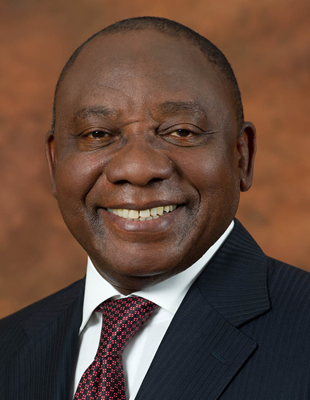
President Cyril Ramaphosa’s call for a broader regional ceasefire reflects a wider continental concern over spillover risks, as African governments navigate the economic and diplomatic consequences of global conflict escalation. The emphasis on restraint and neutrality underscores the delicate positioning required to maintain trade relationships while avoiding entanglement in major power disputes.
Sources: SA Government – https://www.gov.za
WORLD | KEY DEVELOPMENTS
Fragile Ceasefire Holds as Conflict Signals Persist
The United States–Iran ceasefire, announced by President Donald Trump, has introduced a temporary pause in hostilities tied to the reopening of the Strait of Hormuz, a critical artery for global oil supply. Despite initial market optimism, the situation remains highly unstable: Israeli airstrikes across Beirut suburbs, Tyre, Sidon and the Bekaa Valley have resulted in significant casualties, Iran has targeted a Saudi pipeline, and Hezbollah remains on alert despite pausing operations. The rapid sequence of retaliatory positioning illustrates the fragility of the agreement, suggesting that while markets may price in short-term relief, underlying conflict dynamics remain unresolved and capable of reigniting volatility.
Sources: Reuters – https://www.reuters.com BBC – https://www.bbc.com
Cyber and Infrastructure Threats Extend Conflict Risk
Iran-linked cyber actors have been associated with attempted disruptions targeting U.S. energy and water infrastructure, highlighting how hybrid warfare continues beyond conventional ceasefire frameworks. These developments reinforce the persistence of asymmetric threats, where digital infrastructure becomes a parallel battlefield, complicating de-escalation efforts and extending systemic risk into civilian and economic domains.
Sources: Reuters – https://www.reuters.com
Tech Regulation and Expansion Diverge Across Europe
Greece has moved to ban social media access for users under 15 from 2027, signalling a stricter regulatory stance on digital exposure among minors, while TikTok is expanding its European infrastructure with a second billion-euro data centre in Finland. The divergence reflects a broader policy split between restriction and expansion within the digital economy, as governments attempt to balance innovation, data sovereignty and social risk management.
Sources: Reuters – https://www.reuters.com
BOTTOM LINE
| Time horizon: | Last 18 hours |
| Signal strength: | High |
| Pattern: | Markets are reacting decisively to geopolitical de-escalation signals, but the persistence of kinetic and cyber conflict activity indicates a fragile equilibrium where short-term relief masks unresolved structural tensions likely to reintroduce volatility |
What's Your Reaction?