










THE BRIEF | 17 February 2026 | 12:00 PM SAST
Midday intelligence briefing covering South Africa’s reform momentum, rand resilience, African investment mobilisation efforts, and global tariff-driven market volatility within the last 18 hours.

SOUTH AFRICA | KEY DEVELOPMENTS
Renewed Business Compact Tests Reform Credibility
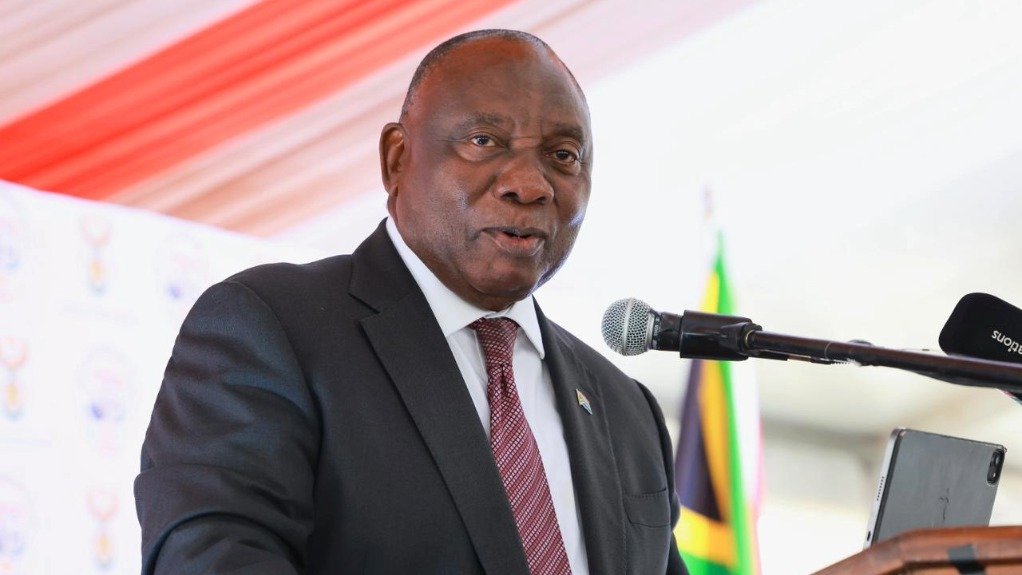
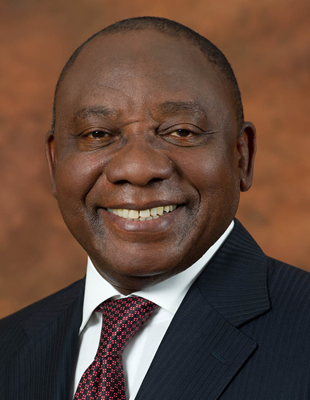
President Cyril Ramaphosa’s administration has advanced Phase Three of the 2023 government–business compact, reinforcing commitments to youth employment, anti-corruption enforcement, and accelerated reform in energy and logistics, while improved grid stability and a recent sovereign credit upgrade have strengthened investor sentiment, structural unemployment—particularly among youth—remains elevated, and infrastructure inefficiencies continue to constrain productivity, meaning reform execution rather than announcement will determine growth durability. Details embedded in the initiative include expanded private-sector participation in transmission, streamlined port and rail reforms, and targeted youth placement incentives; however, critics caution that concentrated corporate participation could entrench existing inequalities if inclusive procurement and SME access are not enforced.
Broken by: Moneyweb – https://www.moneyweb.co.za | SAnews – https://www.sanews.gov.za | Bloomberg – https://www.bloomberg.com


Rand Firms as Domestic Factors Offset External Risk
The rand traded firmer around 15.84/$ in morning trade, extending gains from improved PMI readings and moderating inflation expectations, currency resilience reduces imported inflation risk and supports bond market stability, but remains vulnerable to potential U.S. trade recalibrations and commodity volatility. Details include improved tourism receipts and more consistent electricity supply providing near-term support, while exporters face tighter overseas payment cycles and uncertainty over future U.S. tariff positioning, increasing urgency around Asian and intra-African diversification strategies.
Broken by: Reuters – https://www.reuters.com | Moneyweb – https://www.moneyweb.co.za
China Trade Access Expands Amid U.S. Uncertainty
A preferential trade framework with China signed on February 9 introduces expanded market access for select South African exports, the agreement may hedge against possible AGOA disruptions, yet deeper integration with Beijing increases long-term exposure to asymmetric trade leverage and commodity concentration risk. Details remain limited publicly, but initial indications point to tariff preferences in early-harvest categories, potentially benefitting mineral and agricultural exporters while raising policy alignment considerations.
Broken by: SAnews – https://www.sanews.gov.za | MISA – https://www.facebook.com/misasa
AFRICA | KEY DEVELOPMENTS
Africa Business Forum Pushes “Bankable” Youth Economy
At the 9th Africa Business Forum in Addis Ababa, policymakers and private capital stakeholders emphasized converting demographic growth into structured, finance-ready projects through blended instruments. Africa’s projected growth trajectory remains contingent on mobilising domestic capital and reducing aid dependency, yet governance and infrastructure gaps continue to elevate risk premiums. Details from UNECA-hosted discussions focused on youth-led enterprise financing and scalable digital infrastructure, while AU deliberations concurrently flagged conflict and unconstitutional power shifts as persistent deterrents to investment.
Broken by: The Star – https://www.thestar.co.za | SAnews – https://www.sanews.gov.za
Political Reshuffles and Electoral Tensions Deepen
Egypt announced a limited cabinet reshuffle including a new defence minister, while Zimbabwean opposition groups alleged constitutional manipulation and Cameroon delayed scheduled electoral processes. Leadership recalibration across key African states introduces continuity risk at a time when fiscal stability and external financing conditions are tightening. Details remain fluid, though central banks such as Kenya’s signaled steady monetary positioning amid moderated inflation and cautious Q4 growth data.
Broken by: Africanews – https://www.africanews.com | Barron’s – https://www.barrons.com
WORLD | KEY DEVELOPMENTS
Markets Rebound as Tariff Signaling Drives Volatility
U.S. equities opened the week higher, with major indices advancing amid easing immediate geopolitical rhetoric; oil prices softened while gold retreated from recent highs, short-term risk appetite has returned, yet tariff signaling linked to potential Greenland and NATO disputes previously triggered sharp selloffs, underscoring sensitivity to executive trade posture. Details include investor recalibration following commentary on Iran tensions and speculation around Federal Reserve leadership preferences, reinforcing policy-driven volatility as the dominant theme.
Broken by: Yahoo Finance – https://finance.yahoo.com | CNBC – https://www.cnbc.com
U.S.–Hungary Alignment Raises EU Scrutiny
During a Budapest visit, U.S. Secretary of State Marco Rubio endorsed Hungarian leadership continuity and advanced nuclear cooperation discussions, closer Washington–Budapest ties may complicate EU cohesion amid ongoing concerns over democratic governance and energy dependence on Russia. Details include expanded bilateral cooperation frameworks while European policymakers monitor alignment implications for sanctions unity.
Broken by: Associated Press – https://apnews.com | CNN Business – https://www.cnn.com
Asia Gains on Trade Adjustments
India’s Sensex advanced approximately 270 points amid renewed trade dialogue optimism, while Malaysia’s central bank signaled sustainable growth momentum in its Q4 2025 assessment. Asian equity resilience reflects selective optimism around tariff recalibration and supply chain adaptation, though longer-term USMCA and Indo-Pacific trade reviews may reintroduce uncertainty. Details suggest IT and export-linked equities led gains as policymakers balance currency stability with external demand conditions.
Broken by: The Hindu BusinessLine – https://www.thehindubusinessline.com | Bank Negara Malaysia – https://www.bnm.gov.my
BOTTOM LINE
| Time horizon: | Last 18 hours |
| Signal strength: | Medium |
| Pattern: | Reform execution and tariff-driven volatility define the current cycle, with domestic stabilisation efforts offset by externally generated policy risk. |
What's Your Reaction?