









THE BRIEF | 12:00 PM SAST | 9 January 2026
Midday developing news briefing for January 9 2026 covering South African wildfires, ANC politics, energy and social grants, law enforcement accountability, and global flashpoints including Gaza, Ukraine, Iran, Venezuela, South Korea, and Asia-Pacific disasters.
SOUTH AFRICA | KEY DEVELOPMENTS
Western Cape Wildfires | Climate Risk Becomes Economic Risk
-
Current state: Multiple fires remain active across the Western Cape, with particular pressure in agricultural zones including the Cape Winelands.

-
Operational reality: Firefighting capacity is being stretched by sustained wind patterns and fuel-dense fynbos ecosystems. Volunteer brigades are carrying a disproportionate load.
-
Economic exposure: Beyond property loss, downstream risks include crop damage, insurance repricing, tourism disruption, and municipal budget overruns.
-
Strategic read: This is no longer an environmental issue—it is an economic resilience issue. Municipalities remain underprepared for climate-amplified disasters.
-
Sources:
-
EWN – https://www.ewn.co.za/
-
eNCA – https://www.enca.com/
-
NewsNow SA – https://www.newsnow.com/us/World/Africa/South%2BAfrica
-


ANC Anniversary Address | Messaging Discipline, Execution Deficit
-
Event: President Cyril Ramaphosa marked the ANC anniversary with a unity-focused address.
-
Narrative: Economic recovery, service delivery, moral renewal—anchored heavily in liberation legacy.
-
Political reality: Public patience is thin. Voters are increasingly outcome-driven, not symbolism-driven.
-
Internal dynamics: The ANC remains factionally constrained, limiting decisive reform even where intent exists.
-
Forward risk: Election proximity increases rhetorical inflation while reducing policy follow-through.
-
Sources:
-
Daily Maverick – https://www.dailymaverick.co.za/
-
Google News SA – https://news.google.com/home?hl=en-ZA&gl=ZA&ceid=ZA%253Aen
-
Social Grants Phasing Out | Energy Stability as Partial Offset
-
Development: A major social grant programme is winding down while electricity tariffs are temporarily stabilised.
-
Household impact: For grant-dependent households, the loss is immediate and severe; electricity relief does not compensate for lost income.
-
SME angle: Tariff stability provides marginal breathing room, particularly for informal and micro-enterprises.
-
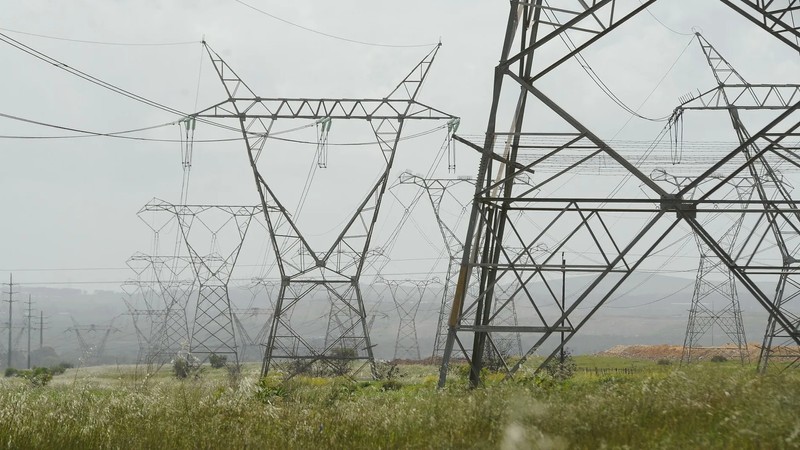
System risk: Eskom credibility remains fragile; tariff stability without supply stability is cosmetic.
-
Macro implication: Social pressure will rise faster than economic relief.
-
Sources:
-
MSN SA – https://www.msn.com/en-za
-
Reuters – https://www.reuters.com/world/
-
Ndimande Brothers Case | Justice System Stress Test
-
Issue: Petition for release from supermax detention.
-
Supporter argument: Human rights violations, political targeting, overcrowding.
-
State argument: High-risk individuals whose release undermines public safety.
-
Structural signal: South Africa’s correctional system is operating beyond sustainable thresholds.
-
Broader implication: Legal legitimacy erosion fuels public distrust in both policing and prosecution.
-
Sources:
-
Daily Maverick – https://www.dailymaverick.co.za/
-
SAPS Accountability | Body Camera Debate Intensifies
-
Trigger: KwaZulu-Natal shootouts leave eight dead.
-
DA position: Mandatory body cameras to enforce transparency and evidence integrity.
-
Reality check: Technology without prosecutorial will and disciplinary reform is insufficient.
-
Public mood: Zero tolerance for opaque lethal force; trust deficit widening.
-
Policy implication: Policing reform is moving from civil-society agenda to mainstream voter concern.
-
Sources:
-
EWN – https://www.ewn.co.za/
-
Gaming to Battlefield Pipeline | Hybrid Recruitment Tactics
-
Allegation: South Africans recruited into the Ukraine war via Arma 3 gaming communities.
-
Target demographic: Young, digitally fluent, economically constrained males.
-
Strategic concern: This represents low-cost, high-deniability foreign recruitment.
-
Policy gap: No coordinated framework addressing digital radicalisation or mercenary recruitment.
-
Sources:
-
BBC World – https://www.bbc.com/news/world
-
Trump “White Killings” Claim | External Narrative Intrusion
-
Response: ANC SG Fikile Mbalula publicly dismissed the claim.
-
Context: Trump’s rhetoric aligns with domestic US political mobilisation rather than SA realities.
-
Risk: International misinformation continues to distort investor and diplomatic perceptions.
-
Data reality: Crime in SA is violent but not racially targeted in the manner claimed.
-
Sources:
-
Reuters – https://www.reuters.com/world/
-
Venice Biennale Withdrawal | Cultural Policy Backlash
-
Decision: Arts Minister Gayton McKenzie cancels SA’s participation.
-
Reaction: Artists frame the move as ideological censorship.
-
Soft-power impact: Damages South Africa’s cultural diplomacy and global artistic standing.
-
Underlying tension: State control versus artistic autonomy in a politically sensitive climate.
-
Sources:
-
Daily Maverick – https://www.dailymaverick.co.za/
-
Sponsored
GLOBAL | DEVELOPING SIGNALS
Philippines | Cebu Landfill Collapse
-
Casualties: 1 confirmed dead; dozens feared trapped.
-
Root cause: Heavy rainfall compounded by unmanaged waste infrastructure.
-
Broader issue: Urbanisation without resilient public works.
-
Global parallel: Similar failures increasingly common across emerging cities.
-
Sources:
Gaza | Escalation Continues
-
Event: Israeli strikes kill at least 11 Palestinians following a failed rocket launch.
-
Pattern: Retaliation loop remains intact.
-
Diplomatic reality: Condemnation without leverage.
-
Strategic risk: Normalisation of civilian casualties erodes international conflict norms.
-
Sources:
-
Al Jazeera – https://www.aljazeera.com/
-
Syria | Aleppo Truce Under Strain
-
Movement: SDF withdrawal begins.
-
Complication: Kurdish councils refuse evacuation.
-
Assessment: Tactical ceasefire masking unresolved sovereignty disputes.
-
Sources:
-
France 24 – https://www.france24.com/en/
-
Iran | Regime Digs In
-
Position: Supreme Leader Khamenei rejects protest demands outright.
-
Drivers: Inflation, unemployment, generational frustration.
-
Risk outlook: Protest suppression likely to intensify, not resolve dissent.
-
Sources:
-
Reuters – https://www.reuters.com/world/
-
Venezuela | Trump Cancels Second Strike Wave
-
Reason cited: Tactical cooperation from Caracas.
-
Reality: Transactional de-escalation, not policy reset.
-
Geopolitical signal: US foreign action increasingly personality-driven.
-
Sources:
Ukraine | Hypersonic Escalation
-
Claim: Russia launches Oreshnik hypersonic missile toward Kyiv.
-
Strategic implication: Advanced weapons moving from deterrence to active use.
-
Risk: Lower threshold for future escalation.
-
Sources:
-
Reuters – https://www.reuters.com/world/
-
South Korea | Democratic Stress Event
-
Issue: President Yoon Suk Yeol faces potential death penalty exposure tied to martial law.
-
Signal: Institutional crisis within a mature democracy.
-
Broader lesson: Even stable systems fracture under executive overreach.
-
Sources:
India | Infrastructure Failure
-
Incident: Bus plunges 300 feet into gorge in Himachal Pradesh.
-
Casualties: At least 7 dead.
-
Root issue: Transport safety lagging terrain risk.
-
Sources:
Sponsored
| Time horizon: | Last 12 hours |
| Signal: | High volatility across climate, politics, security, and geopolitics |
| Bottom line: | Local instability mirrors global fragmentation. Decision-makers should assume continued disruption, not reversion to baseline. |
What's Your Reaction?