










THE BRIEF | 16 February 2026 | 12:00 PM SAST
Midday intelligence briefing covering the reform agenda, rand and fiscal outlook, African agri-investment, U.S. shutdown risk, IMF global growth projections, and escalating tech–trade tensions.

SOUTH AFRICA | KEY DEVELOPMENTS
Ramaphosa’s Reform Push Faces Growth Reality Check
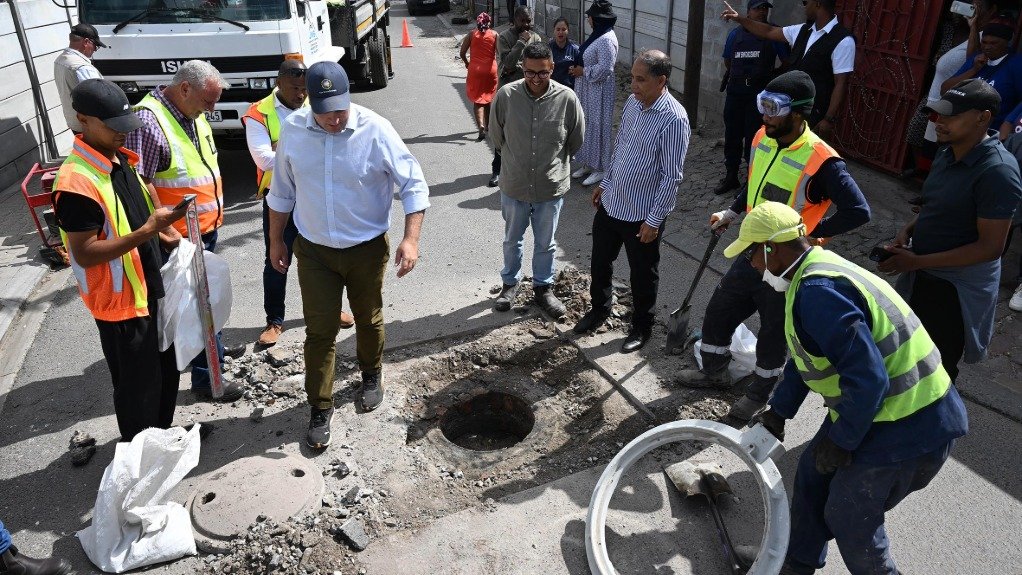
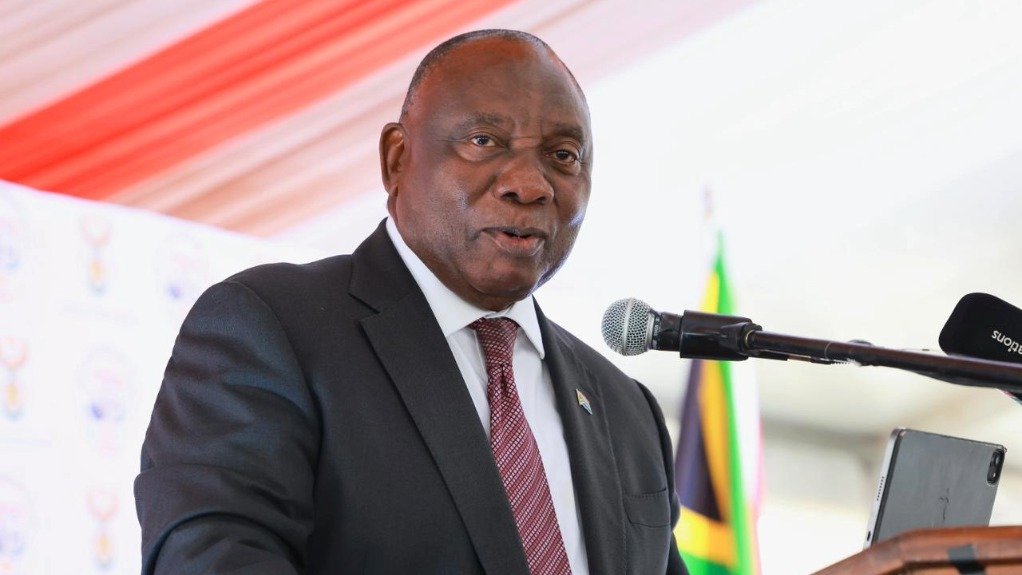
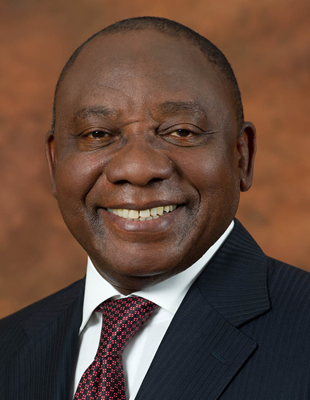
President Cyril Ramaphosa used last week’s State of the Nation Address (February 12) to frame Phase Three of the government–business compact as a decisive pivot toward structural reform, positioning Operation Vulindlela, debt stabilisation, and infrastructure acceleration as the core execution pillars. He confirmed a R156 billion allocation for water infrastructure upgrades and announced a National Water Crisis Committee under his direct oversight, while pledging intensified action against organised crime, including potential South African National Defence Force deployments to gang-affected regions. Markets initially responded with modest optimism; however, consensus forecasts still place 2026 GDP growth between 1.2% and 1.6%, materially below potential, underscoring that implementation speed—not policy signalling—will determine credibility. With debt projected near 77.9% of GDP ahead of the February 25 budget, the address matters less for rhetoric and more for whether fiscal consolidation and private capital mobilisation can offset structural drag from logistics inefficiencies, operating costs, and external tariff exposure.


Broken by:
eNCA – https://www.enca.com
Moneyweb – https://www.moneyweb.co.za
Bloomberg – https://www.bloomberg.com
Rand Stability Masks Fiscal and Sentiment Fragility
The rand firmed modestly in the run-up to SONA, while the Johannesburg Stock Exchange All-Share Index maintained elevated levels, reflecting tactical positioning rather than structural repricing. Analysts caution that investor optimism remains conditional on Finance Minister Enoch Godongwana delivering a credible third consecutive primary surplus and reaffirming debt stabilisation in the upcoming budget. Public sentiment polling suggests skepticism persists despite equity strength, creating a divergence between market pricing and domestic economic confidence. The disconnect matters because sustained reform requires both capital inflows and voter legitimacy; failure on either front risks renewed volatility.
Broken by:
Reuters – https://www.reuters.com
Business Day – https://www.businesslive.co.za
AFRICA | KEY DEVELOPMENTS
Kenya Agri-Industrial Investment Targets Feed Deficit
Dutch agribusiness firm De Heus inaugurated a $23.2 million feed production facility in Athi River, Kenya, with projected annual output of 200,000 tonnes. The investment directly addresses Kenya’s feed deficit and import dependency, positioning the country to stabilise livestock input costs amid broader food security pressures. While the expansion strengthens agri-industrial capacity and signals continued foreign direct investment appetite in East Africa, environmental and water-resource constraints remain an operational risk. The move aligns with continental efforts to localise value chains rather than rely on volatile import markets.
Broken by:
Ecofin Agency – https://www.ecofinagency.com
Opposition Setback Signals Democratic Consolidation Risk in Benin
Benin’s Democrats party failed to secure representation in recent National Assembly outcomes, narrowing formal opposition space in a region already grappling with governance scrutiny. The development reinforces concerns around political concentration and democratic backsliding across parts of West Africa. Stability may improve in the short term; however, reduced opposition participation often correlates with long-term institutional fragility.
Broken by:
Ecofin Agency – https://www.ecofinagency.com
WORLD | KEY DEVELOPMENTS
U.S. Shutdown Risk Escalates Political and Trade Uncertainty
The United States edged toward a partial government shutdown after Congress failed to pass a funding extension by February 14, with operational disruptions affecting the United States Department of Homeland Security. President Donald Trump attributed the impasse to Democratic resistance over immigration-linked reforms, while lawmakers initiated scrutiny over reported threats to reconsider support for the Gordie Howe International Bridge. The episode heightens fiscal uncertainty and risks near-term market turbulence, particularly if extended disruptions intersect with trade and border operations. Shutdown dynamics matter globally because U.S. fiscal instability tends to transmit through dollar liquidity, bond yields, and risk appetite.
Broken by:
Arab News – https://www.arabnews.com
Oakville News – https://www.oakvillenews.org
IMF Flags Uneven Global Growth as Trade Softens
The International Monetary Fund projects 2026 global GDP growth at approximately 3.3%, describing expansion as stable but asymmetrical. AI-driven productivity gains in the U.S. underpin upside momentum, while global trade growth—forecast near 2.6%—and European fiscal tightening constrain broader acceleration. Upside scenarios depend on technological diffusion; downside risks stem from geopolitical escalation and fragmented trade regimes. For emerging markets, including South Africa, muted trade velocity implies export-led recovery will remain structurally limited without diversification.
Broken by:
CaixaBank Research – https://www.caixabankresearch.com
Tech and Tax Frictions Deepen U.S.–China Divide
U.S. authorities expanded scrutiny of Chinese technology firms, including Alibaba and Baidu, through updated security listings tied to military-affiliation concerns. Concurrently, renegotiations around the global minimum corporate tax framework reportedly shield certain U.S. multinationals from the 15% threshold, intensifying transatlantic policy friction. The convergence of security designations and tax carve-outs reinforces a pattern of strategic decoupling rather than managed competition, elevating medium-term compliance and supply chain risk.
Broken by:
AASTOCKS – https://www.aastocks.com
Investment Executive – https://www.investmentexecutive.com
Fox News – https://www.foxnews.com
BOTTOM LINE
| Time horizon: | Last 18hours |
| Signal strength: | Medium–High |
| Pattern: | Reform signalling is accelerating domestically while global policy fragmentation intensifies. Markets remain resilient, but execution risk—fiscal, geopolitical, and trade-related—continues to outweigh rhetoric. |
What's Your Reaction?