









IN THE NEWS | 10 February 2026 | 18:00 PM SAST
A global snapshot of political shifts, debt risks, diplomatic strain, and AI-driven market momentum shaping short-term stability and longer-term volatility.

SOUTH AFRICA | KEY DEVELOPMENTS
DA Leadership Shift Raises Coalition Stability Questions
Democratic Alliance leader John Steenhuisen confirmed he will not seek re-election at the party’s April congress, a move that reshapes opposition leadership dynamics and injects fresh uncertainty into the Government of National Unity ahead of the 2026 election cycle. While the DA has signalled continuity, the transition—compounded by internal controversies—risks weakening coalition coordination at a time when policy execution and electoral positioning demand tighter alignment.
Sources: Yahoo News – https://news.yahoo.com


Afreximbank Accession Unlocks Capital but Tests Execution Capacity
South Africa’s accession to Afreximbank is set to unlock up to $8 billion in financing for mining and manufacturing, reinforcing its ambition to position itself as a regional trade and processing hub amid rising global demand for critical minerals. The inflow strengthens strategic optionality, but delivery risks tied to ports, power reliability, and regulatory consistency will determine whether capital converts into durable industrial gains.
Sources: Reuters – https://www.reuters.com
Phala Phala Protests Re-Emerge as Political Signal
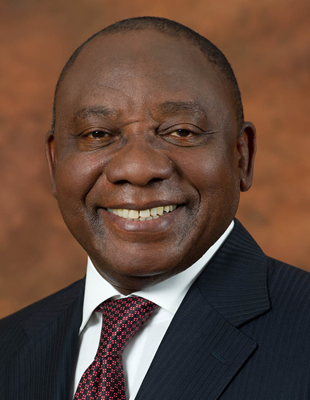
EFF leader Julius Malema escalated protests demanding Constitutional Court action over the Phala Phala matter involving President Cyril Ramaphosa. While legal outcomes remain unchanged, the renewed mobilisation sustains reputational pressure and constrains the presidency’s political bandwidth rather than triggering immediate institutional consequences.
Sources: IOL – https://www.iol.co.za
Johannesburg Water Disruptions Expose Structural Service Failures
Ongoing water outages following a major pipe burst in Johannesburg again highlight chronic underinvestment and maintenance failures in municipal infrastructure. Beyond immediate disruption, the episode reinforces concerns over urban resilience and service delivery reliability in South Africa’s economic core.
Sources: allAfrica – https://allafrica.com
Fuel Price Cut Offers Temporary Consumer Relief
Fuel prices fell by roughly 65 cents per litre, providing short-term relief to households and transport operators. The benefit remains vulnerable to currency volatility and global oil price swings, limiting the durability of the reprieve.
Sources: Department of Mineral Resources and Energy – https://www.gov.za
Rhino Poaching Falls Nationally, but Kruger Losses Rise
National rhino poaching declined to 352 cases in 2025, yet losses in Kruger National Park nearly doubled, signalling displacement of criminal activity rather than comprehensive deterrence.
Sources: Save the Rhino – https://www.savetherhino.org
Mining Indaba Emphasises Public–Private Coordination
The Mining Indaba underscored the need for closer public–private cooperation to secure investment in critical minerals, reflecting investor focus on regulatory clarity, infrastructure, and long-term policy credibility.
Sources: Xinhua – https://www.xinhuanet.com
AFRICA | KEY DEVELOPMENTS
Africa’s 2026 Debt Wall Reaffirmed
Ratings agencies reiterated warnings that African sovereigns face approximately $90 billion in debt repayments in 2026, with obligations having tripled since 2012. Tighter global financial conditions heighten refinancing risks for vulnerable economies such as Ethiopia and Zambia, increasing the likelihood of selective defaults or restructurings absent reform momentum.
Sources: Club of Mozambique – https://clubofmozambique.com
South Africa–Israel Diplomatic Rift Escalates
Pretoria’s expulsion of an Israeli diplomat drew U.S. condemnation and Israeli retaliation, deepening diplomatic strain linked to South Africa’s support for the ICJ genocide case. The episode narrows diplomatic room for manoeuvre as South Africa balances BRICS alignment with Western economic relationships.
Sources: Bloomberg – https://www.bloomberg.com
Libya Faces Renewed Volatility After Gaddafi Killing
The reported assassination of Saif al-Islam Gaddafi has heightened fears of renewed factional conflict in Libya, particularly in oil-producing regions where political control remains fragmented.
Sources: allAfrica – https://allafrica.com
Sudan’s Humanitarian Crisis Deepens
UK officials highlighted the scale of displacement following a regional visit, with millions uprooted and aid access constrained by ongoing conflict, underscoring the protracted nature of Sudan’s humanitarian collapse.
Sources: GOV.UK – https://www.gov.uk
Deadly Attacks Underscore Nigeria’s Security Crisis
Nearly 200 people were killed in attacks across Kwara and Katsina states, reinforcing concerns over Nigeria’s deteriorating internal security and the limits of current counter-insurgency measures.
Sources: Al Jazeera – https://www.aljazeera.com
Cholera Vaccinations Resume Amid Flood Displacement
Emergency cholera vaccination campaigns resumed in Mozambique and the DRC as flooding displaced thousands, exposing climate-linked public health vulnerabilities across the region.
Sources: World Health Organization – https://www.who.int
WORLD | KEY DEVELOPMENTS
U.S. Immigration Agencies Face Congressional Backlash
Senior officials from ICE, CBP, and USCIS faced intense questioning before the House Homeland Security Committee following the fatal shootings of two U.S. citizens during January enforcement sweeps. The hearings, unfolding days before a DHS funding deadline, highlight growing bipartisan unease with the scale and accountability of President Trump’s immigration crackdown.
Sources: NBC News – https://www.nbcnews.com Reuters – https://www.reuters.com
Epstein File Releases Trigger Transatlantic Political Fallout
Further un-redaction of Epstein-related files by the U.S. Department of Justice prompted UK Prime Minister Keir Starmer to apologise for appointing Peter Mandelson as U.S. ambassador, reigniting scrutiny of elite networks and fuelling political tension in both Washington and London.
Sources: CNN – https://www.cnn.com Reuters – https://www.reuters.com
U.S.–Iran Talks Stall as Escalation Risks Rise
Indirect nuclear talks in Oman stalled over sanctions relief and enrichment limits, while Israel signalled readiness to strike Iran’s missile programme ahead of Prime Minister Netanyahu’s Washington visit, narrowing diplomatic off-ramps in an already volatile Gulf security environment.
Sources: Al Jazeera – https://www.aljazeera.com
Russia–Ukraine Talks Yield Limited Progress
Talks in Abu Dhabi produced only prisoner exchanges, with no ceasefire agreement, as the expiration of New START raises the prospect of renewed strategic instability despite tentative resumption of U.S.–Russia military dialogue.
Sources: Foreign Policy – https://foreignpolicy.com
Global Corruption Perceptions Deteriorate
Transparency International’s 2025 index shows worsening corruption perceptions globally, with Africa experiencing youth-led protests against stalled reforms, aligning with broader indicators of democratic backsliding.
Sources: DW – https://www.dw.com
Markets Rebound Amid AI Investment Surge
Global equities rallied on a rebound in U.S. chip stocks and political continuity in Japan following the LDP’s landslide under Prime Minister Sanae Takaichi. Major technology firms accelerated AI infrastructure spending through large-scale bond issuance and private financing, reinforcing capital concentration even as volatility persists.
Sources: CNBC – https://www.cnbc.com Bloomberg – https://www.bloomberg.com Journal Record – https://journalrecord.com
Sports Round-Up: Olympics, Cricket, and NBA Moves
Winter Olympics competition delivered mixed results as South Africa dominated Canada in the T20 World Cup opener, while NBA trade speculation intensified following James Harden’s debut for Cleveland.
Sources: NYT Athletic – https://theathletic.com NPR – https://www.npr.org Dawn – https://www.dawn.com CBS Sports – https://www.cbssports.com
BOTTOM LINE
| Time horizon: | Last 72 hours |
| Signal strength: | Medium–High |
| Pattern: | Electoral moderation, cautious markets, and transactional diplomacy point to a global environment prioritising short-term stability over structural reform, increasing the risk of renewed volatility later in 2026. |
What's Your Reaction?